
Period poverty is more than the absence of menstrual products. It is a global health and human rights crisis that continues to affect millions of menstruators worldwide.
For too long, the issue has been defined for grassroots communities, not with them. This exclusion leaves women and girls facing barriers that compromise their dignity, freedom, and potential.
Without safe products, accurate information, and supportive environments, menstruation becomes a source of stigma, lost education, and reduced participation in social and economic life.
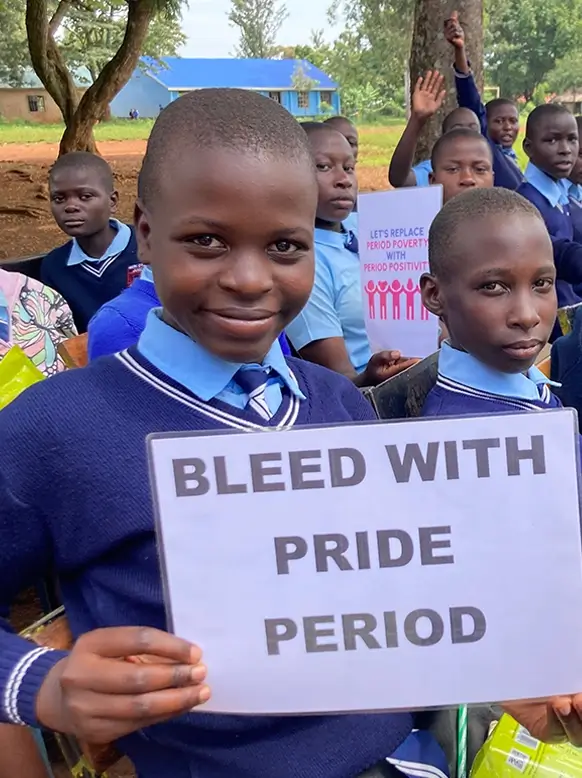
It’s a matter of dignity, equality, and community well-being.
The reality
What is Period Poverty?
According to UN Women, over 2 billion people menstruate globally. Yet, for many, this natural process disrupts daily life, causes missed opportunities, and reinforces gender inequality.
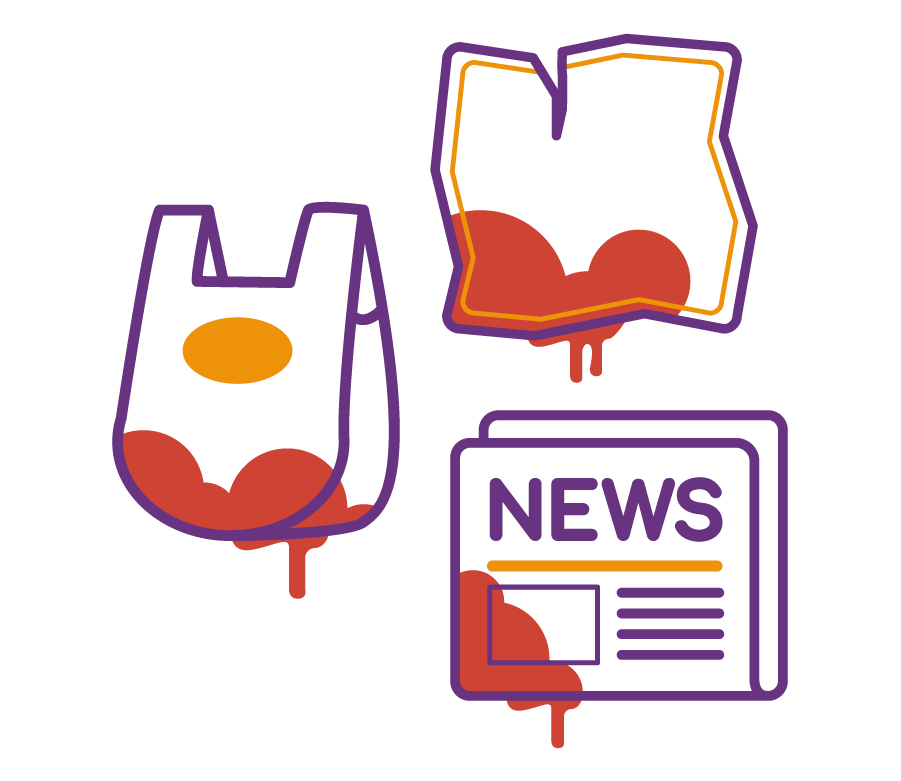
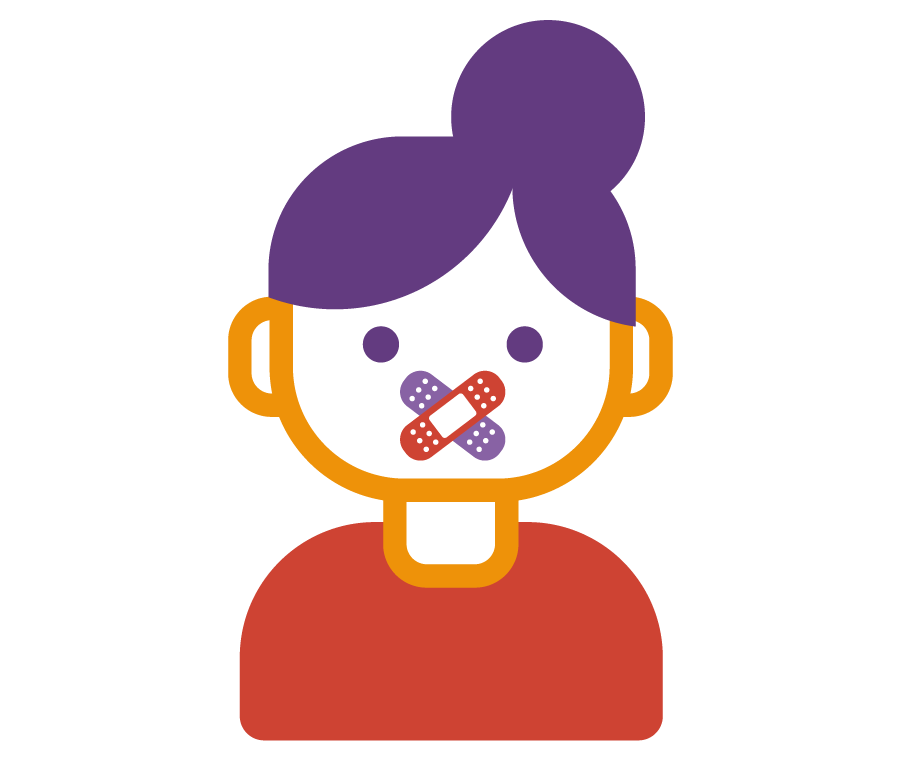
The Four Challenges
Barriers to Dignity
Why It Matters
When girls miss school, when women are excluded from the workplace, and when shame replaces dignity, entire communities suffer. Period poverty limits education, health, and income potential, keeping cycles of inequality intact.
Our work has already
and reusable menstrual products.
among beneficiaries after receiving PadMad support.
prevented from entering landfill.
demonstrating strong trust and demand.
Jaafar H, Ismail SY, Azzeri A. Period Poverty: A Neglected Public Health Issue. Korean J Fam Med. 2023 Jul;44(4):183-188. doi: 10.4082/kjfm.22.0206. Epub 2023 May 16. PMID: 37189262; PMCID: PMC10372806.