
Home » The Problem

The Problem

Period poverty is a global health dilemma that has long been overlooked. This means that millions of women are subjected to injustice and inequity due to menstruation1.

Period poverty is more than the absence of menstrual products. It is a global health and human rights crisis that continues to affect millions of menstruators worldwide.

For too long, the issue has been defined for grassroots communities, not with them. This exclusion leaves women and girls facing barriers that compromise their dignity, freedom, and potential.

Without safe products, accurate information, and supportive environments, menstruation becomes a source of stigma, lost education, and reduced participation in social and economic life.
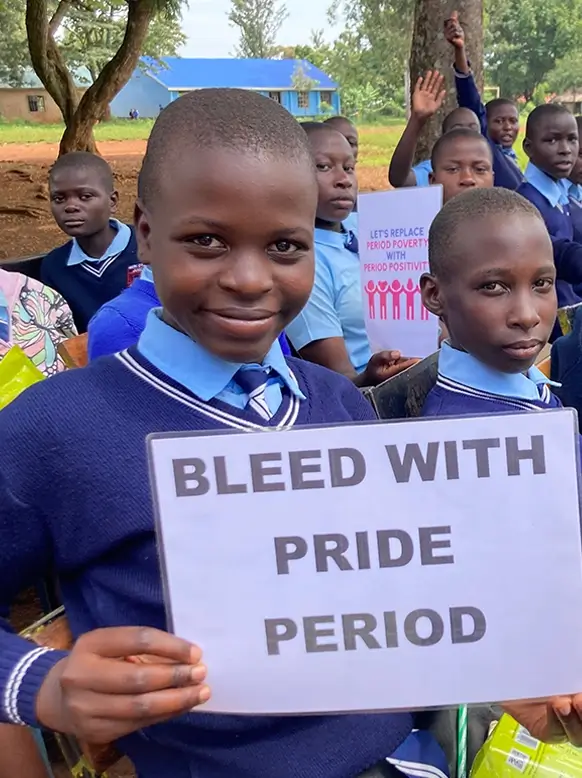
Confident girl holding a 'Bleed with Pride' sign at Padmad event

This is not just a “women’s issue”

It’s a matter of dignity, equality, and community well-being.

The reality

What is Period Poverty?

According to UN Women, over 2 billion people menstruate globally. Yet, for many, this natural process disrupts daily life, causes missed opportunities, and reinforces gender inequality.

Period poverty involves a lack of:
  • Safe and hygienic menstrual products.
  • Menstrual health education.
  • Adequate water, sanitation, and hygiene (WASH) facilities.

The Four Challenges

Barriers to Dignity
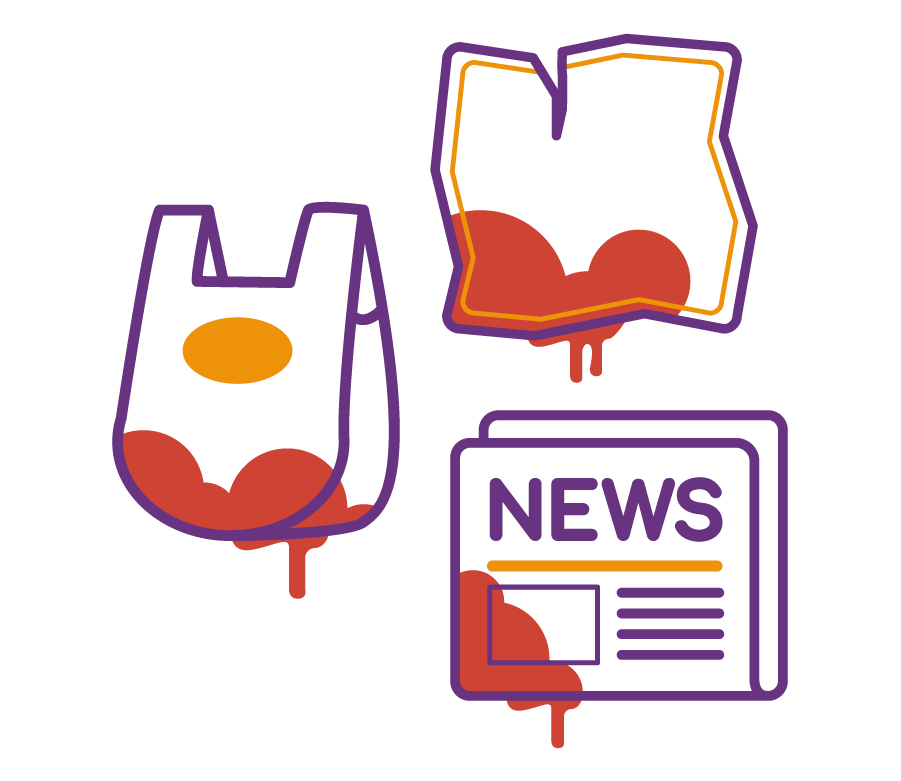
Illustration showing disrupted access to menstrual products (plastic, newspaper).

Disrupted Access to Menstrual Products

When safe, affordable products aren’t available, many are forced to use unsafe alternatives such as rags, old clothes, or even leaves. Others use products for too long, risking infections like bacterial vaginosis or UTIs.

Persisting periodstigma and taboos

Stigma and Taboos

In some cultures, menstruators are seen as “unclean” and excluded from daily activities. Schoolgirls often miss 4–5 days every month, impacting their education and future. Shame and fear of ridicule drive many into isolation.

Disrupted access to information about menstruation

Lack of Menstrual Health Education

Silence around menstruation means many receive little or no information on how to manage their periods safely. Teachers and caregivers often feel unequipped to address the topic, allowing myths and unsafe practices to persist.

Lack of accessto WASH infrastructure

Inadequate WASH Facilities

Without clean water, private washing spaces, and safe disposal systems, menstrual hygiene becomes nearly impossible, especially in rural areas, informal settlements, and refugee camps.


Why It Matters

When girls miss school, when women are excluded from the workplace, and when shame replaces dignity, entire communities suffer. Period poverty limits education, health, and income potential, keeping cycles of inequality intact.

Our work has already

Enabled
1
million school days for girls

Through improved menstrual access.

Impacted
1
girls and women
Educated
1
boys on menstrual health stigma
Distributed
1
Pads and panty liners
Prevented
1
million disposable pads from landfills
Avoided
1
Metric ton CO2 emissions

Through reusable solutions.

Our Solution

Our approach to combating period poverty involves:

Get involved