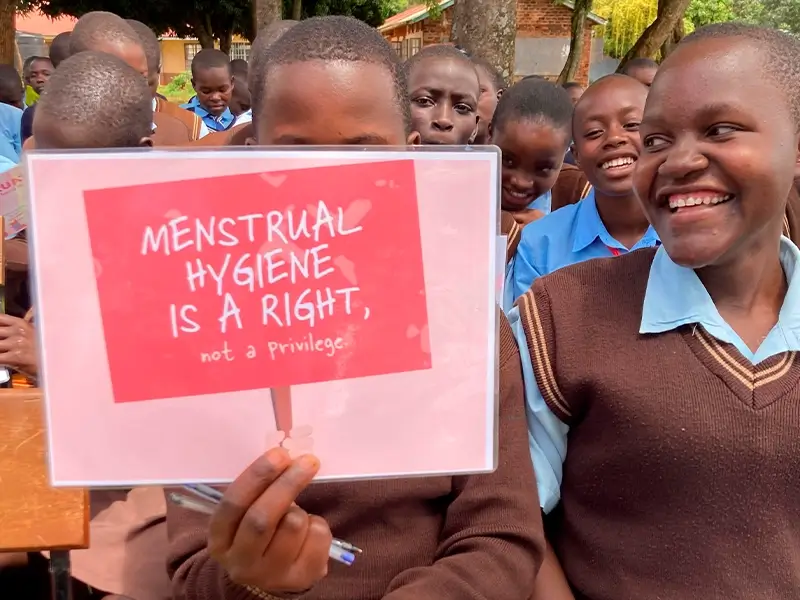

“Now I can sit at the front of the class.”
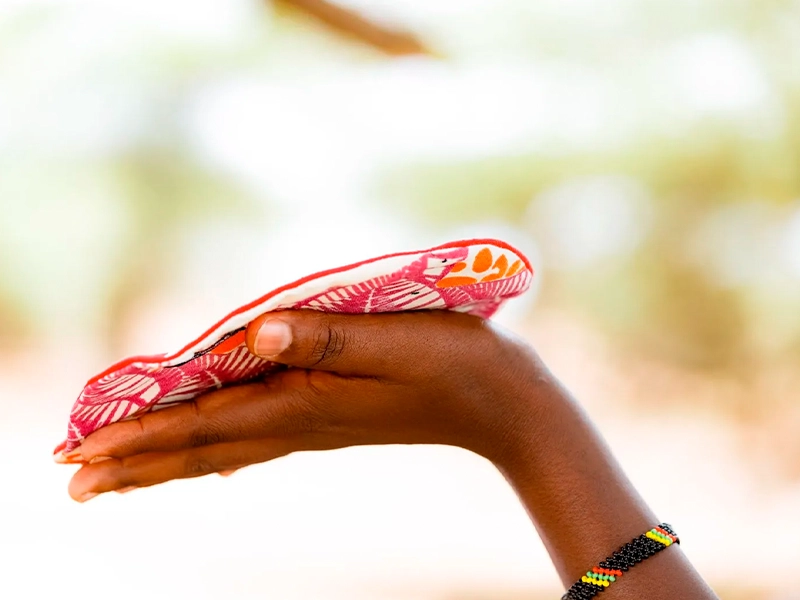
This simple sentence by a 14-year-old girl after receiving a PadMad kit speaks volumes. It wasn’t just about the pad, it was about confidence, dignity and reclaiming space. That’s what systems change in menstrual health truly looks like.
In a powerful article published by Catalyst Now, our founder Madhvi Dalal reflects on the deep lessons PadMad has learned through years of work in Kenya’s underserved communities. With over 135,000 women and youth reached, our journey has been about more than products, it’s been about reimagining dignity through local leadership and innovation.
Why Period Poverty Is a Systems Problem
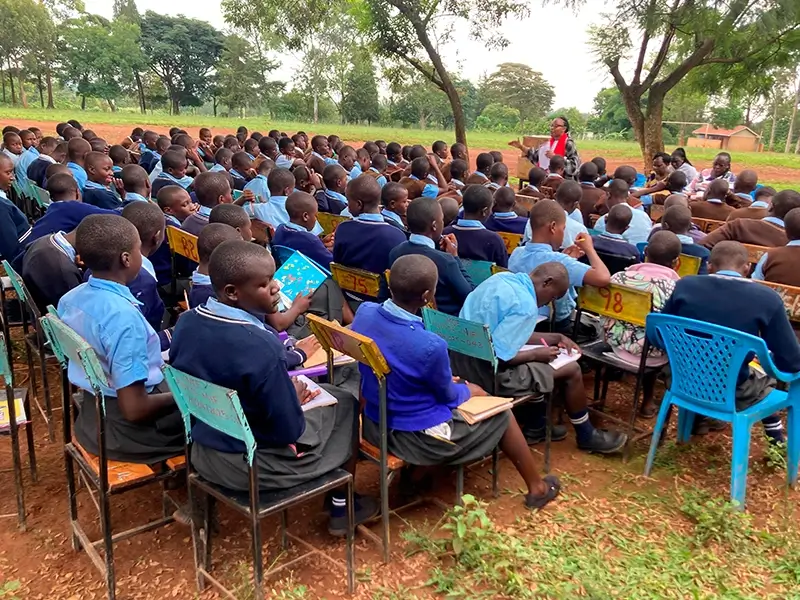
Over 65% of menstruators in Kenya can’t afford period products. Many miss up to four days of school each month. Others receive pads from unsafe sources. The root causes run deeper than lack of access, they’re about shame, silence, and inequality.
Environmental concerns add another layer: single-use products can take up to 500 years to decompose.
Addressing this crisis requires more than short-term fixes.
What We’ve Learned: 4 Key Insights from the PadMad Model
By genuinely incorporating their feedback, the process not only addresses problems but also restores pride and self-worth.
The Bigger Picture: Dignity as a Driver of Justice
Menstrual equity is about more than pads. It’s about dignity, voice, and systemic fairness. When girls feel confident managing their periods, they stay in school, participate more fully, and challenge harmful norms. And when local communities lead these changes, the impact becomes lasting.
Want to Learn More?
Read the full article on Catalyst Now here:
Four Lessons from the Frontlines of Period Poverty in Kenya