
A shared Vision for a Healthier Planet
This April, as the world unites to celebrate Earth Month, our collective attention turns to the pressing environmental challenges that demand our action.
From deforestation and climate change to the pervasive issue of plastic pollution, Earth Month is a powerful reminder that the health of our planet is intrinsically linked to the well-being of all its inhabitants. It’s a time when individuals, communities, and organizations recommit to sustainable practices and advocate for a greener, healthier future.
Among these critical environmental concerns is the silent, yet immense, burden of plastic waste generated by everyday products. Every year, billions of disposable menstrual products contribute significantly to this global crisis. According to the United Nations Environment Programme (UNEP), disposable menstrual products, often composed of up to 90% plastic, can take an astonishing 500 to 1F,000 years to decompose in landfills, leaching microplastics into our soil and water.
“Plastic never goes away—it only breaks down into smaller pieces.”
For many, menstruation is not just a health challenge; it is an environmental one.
We believe that a period-friendly world must also be a sustainable one. Our mission to end period poverty isn’t just about restoring dignity; it’s about confronting this silent burden head-on and safeguarding our planet. We offer a solution that honors both the individual and the Earth, proving that small, consistent actions can make a lasting impact.
A Return to Amboseli
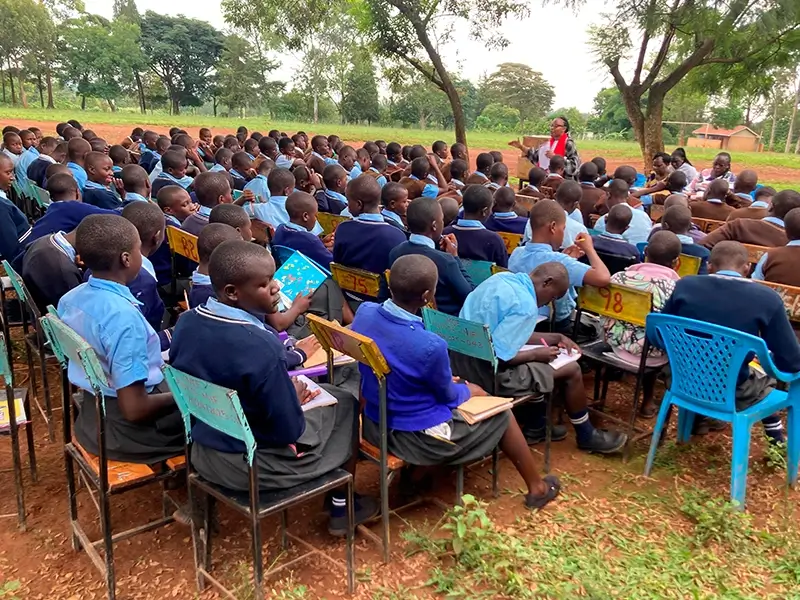
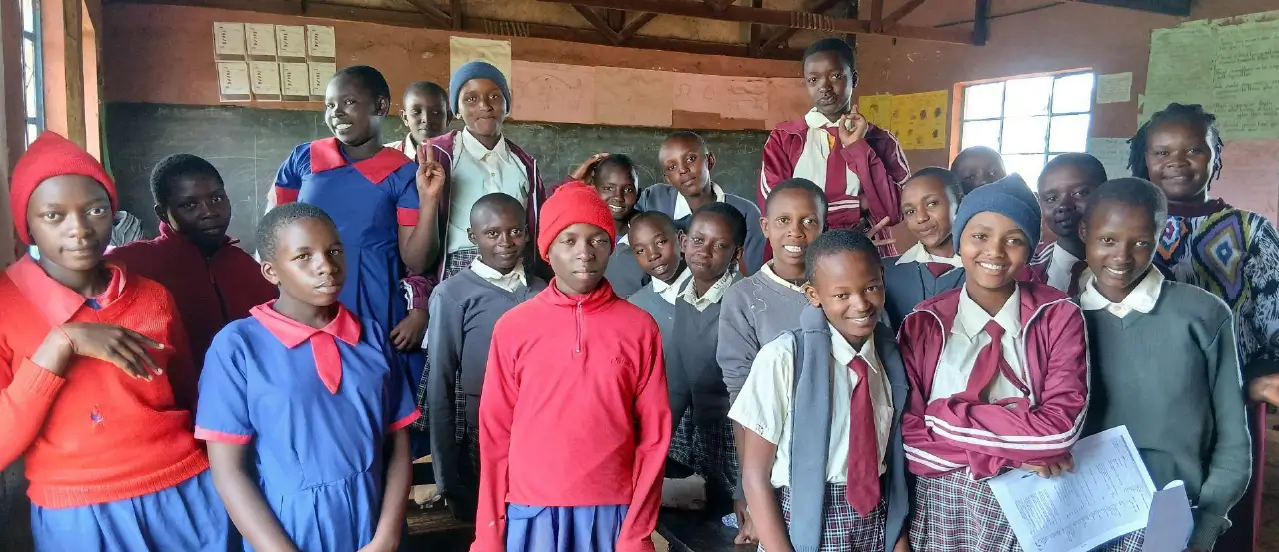
In the heart of Amboseli, amidst vibrant wildlife and resilient communities, the PadMad Kenya team, in partnership with Land & Life, returned for a crucial follow-up. Following the distribution of sanitary kits in August 2024, the team conducted a visit on 18–19 March 2026 with students at Oldonyo Oibor Primary and Junior School, as well as the Inkidemi Women’s Group.
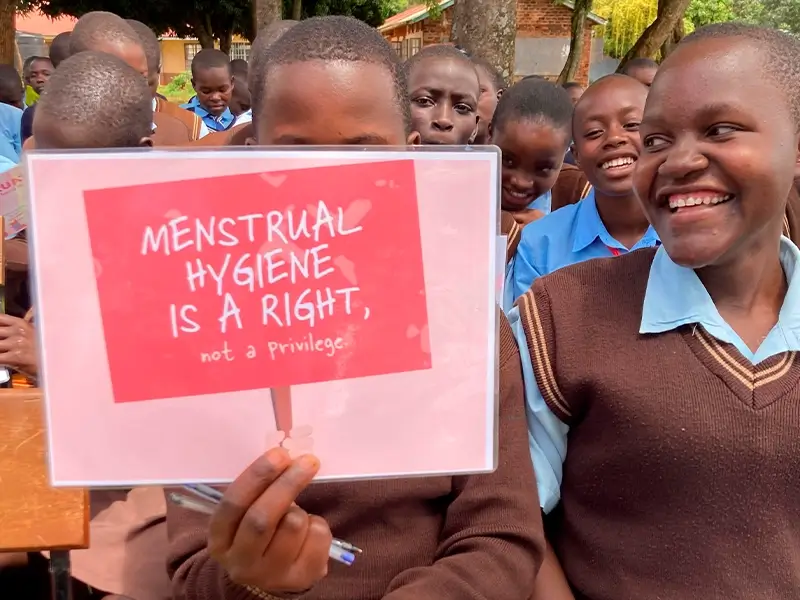
Our goal was simple: to sit down with the students and women from the community, listen to their stories, and see first-hand how these kits have become a part of their daily lives while helping to keep their environment clean. What we found was nothing short of inspiring. Women and girls shared their stories, painting a vivid picture of renewed confidence and practical sustainability.

Her words underscore the holistic nature of our program, it’s not just about a product but about fostering an informed, supportive community that thrives on its own.
The Enduring Impact of Sustainable Choices
The testimonials are not isolated moments, they reflect our vision in action. The continued use and care of kits distributed in August 2024 highlight not only their durability, but the lasting change they create in people’s lives.
Our kits go beyond simply replacing disposable products, they reflect a conscious choice toward environmental sustainability. Designed to last up to 5 years, each kit helps significantly reduce waste and keeps hundreds of single-use pads out of fragile ecosystems.
To date, these collective efforts have helped prevent over 64 million disposable pads from polluting the environment and reduced carbon emissions by 434 metric tons. This is the tangible, measurable impact of choosing sustainability.
Looking Ahead to Earth Day
As we approach Earth Day on April 22, we are reminded that sustainability is not an abstract idea, it is a series of everyday choices that shape the future of our planet.
The evidence is clear: by embracing eco-friendly solutions, we are not only supporting menstrual health and dignity, but also actively reducing waste and protecting our environment. A plastic-free future is not out of reach, it is being built through conscious, collective action.
We remain committed to empowering communities, driving education, and providing environmentally responsible solutions that create safe, dignified spaces for all.
This Earth Day, we invite you to be part of the movement. Partner with us to help end period poverty sustainably and contribute to a healthier, more resilient planet.