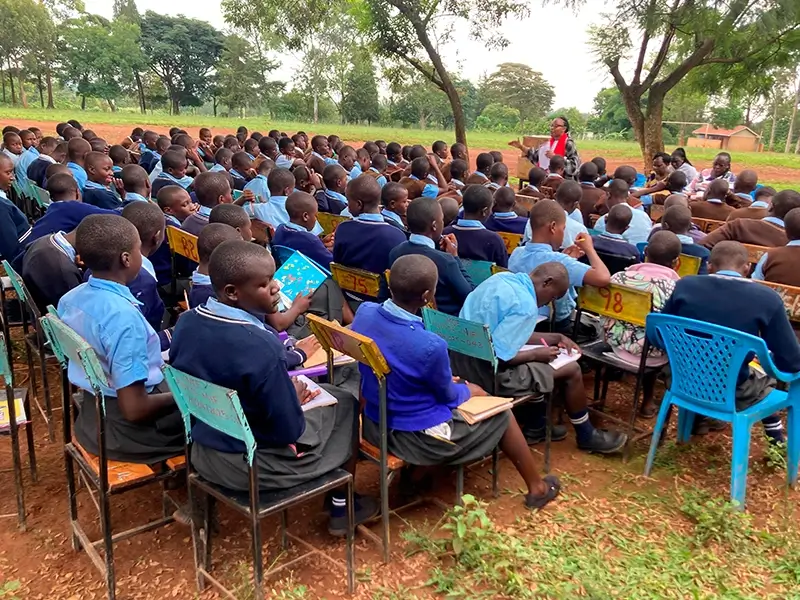

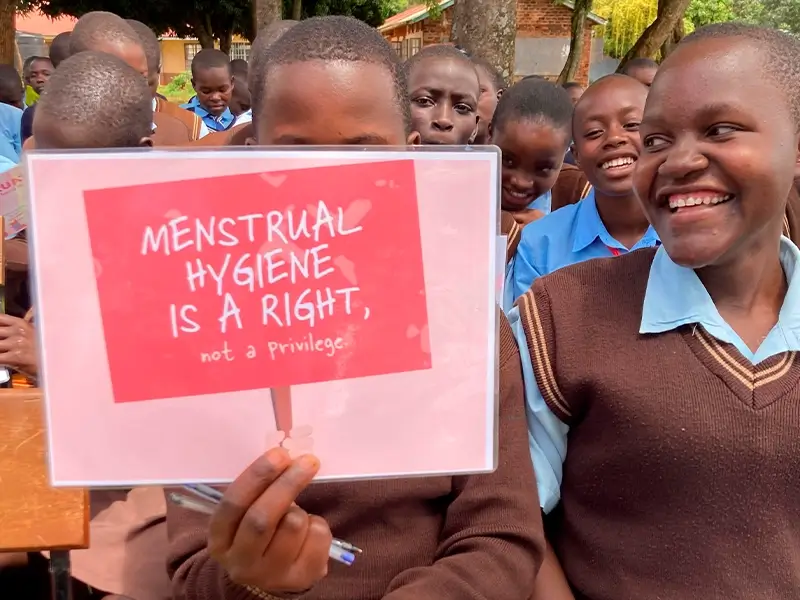
Period poverty refers to the lack of access to safe, affordable menstrual products, adequate sanitation facilities, and accurate menstrual health information. It affects millions of girls and women worldwide, including in Kenya, limiting their ability to attend school, participate in work, and live with dignity.
But why does period poverty exist, especially in a world with growing awareness around gender equality and health rights? The issue is rooted in a combination of economic, social, cultural, and systemic challenges.
1. Economic Inequality and the Cost of Menstrual Products
One of the primary drivers of period poverty is income inequality. For many households, especially in low-income and informal settlements, menstrual products compete with essentials such as food, rent, and healthcare.
Disposable pads are often treated as recurring monthly expenses rather than necessities. As a result, many girls and women resort to unsafe alternatives such as old cloth, mattress foam, or tissue paper, posing serious health risks.
2. Limited Access to Water, Sanitation, and Hygiene (WASH)
According to UNICEF, inadequate WASH facilities are a major barrier to menstrual health management globally. Menstrual health is closely linked to access to clean water, private toilets, and proper waste disposal systems. In many schools and communities, especially in rural areas, these facilities are inadequate or completely absent.
Without safe and private spaces to manage menstruation, girls often miss school during their periods, contributing to absenteeism and, in some cases, school dropout.
3. Stigma, Taboos, and Cultural Silence
Another key reason period poverty exists is the silence and stigma surrounding menstruation. In many communities, periods are considered shameful or inappropriate to discuss openly. This cultural taboo prevents:
- Open education about menstrual health
- Parents and caregivers from adequately preparing girls
- Policymakers from prioritize menstrual health
When menstruation is treated as a private or embarrassing issue, the structural problems that cause period poverty remain invisible.
4. Gaps in Policy and Implementation
While some governments have introduced initiatives such as free pad distribution in schools, policy gaps and inconsistent implementation continue to limit impact. Distribution programs may be irregular, underfunded, or fail to reach out-of-school girls and women.
Research shows that period poverty is a common neglected public health issueresulting to inequity and injustice.
Additionally, menstrual products are often excluded from broader health and social protection frameworks, despite menstruation being a lifelong biological reality.
5. Lack of Menstrual Health Education
Period poverty is not only about products,it is also about information poverty. Many girls experience their first period without understanding what is happening to their bodies. This can lead to fear, shame, and misinformation.
Comprehensive menstrual health education empowers girls to manage their periods safely and confidently while also engaging boys, teachers, and parents in supportive conversations.
Addressing Period Poverty Through Sustainable Solutions
To effectively address period poverty, solutions must go beyond short-term product distribution and focus on long-term, sustainable change, including:
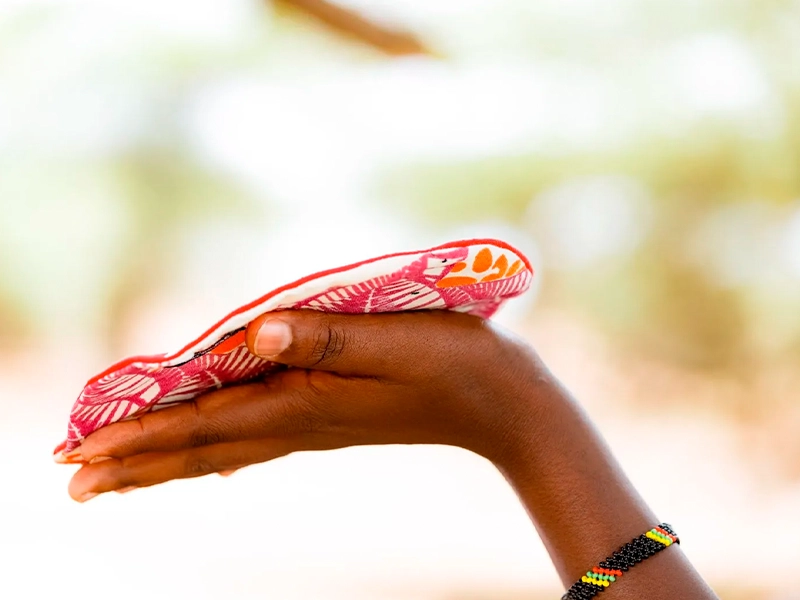
- Access to affordable and reusable menstrual products
- Menstrual health education and community sensitization
- Investment in WASH infrastructure
- Policy integration of menstrual health into public health and education systems
At PadMad Kenya, we address period poverty by combining reusable sanitary pads, education, and community-based interventions that promote dignity, sustainability, and empowerment.
Conclusion
So, why does period poverty exist? It exists because menstruation sits at the intersection of poverty, gender inequality, inadequate infrastructure, cultural stigma, and weak policy prioritization. Addressing it requires coordinated action from communities, organizations, governments, and individuals.
By investing in sustainable menstrual health solutions, we can ensure that no girl or woman is forced to choose between managing her period and pursuing her education, health, or future.