
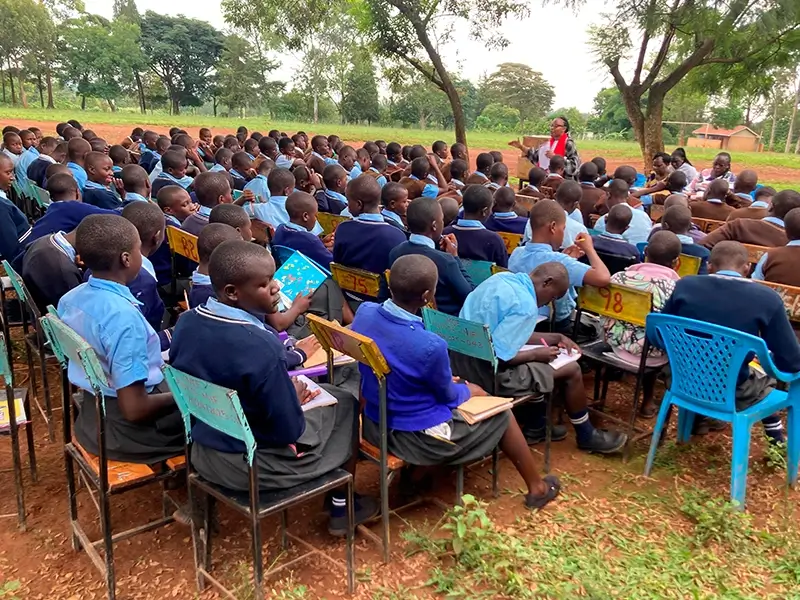
Menstruation is a fundamental part of human biology, yet for too many, it remains shrouded in silence, shame, and misinformation.
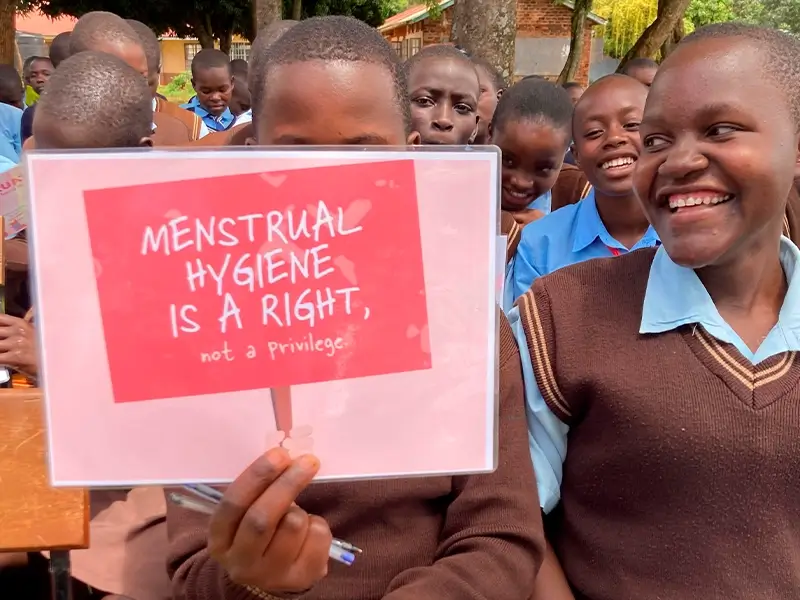
At PadMad Kenya, we believe that education is the most powerful tool for breaking down these barriers. Menstrual Health Education is not just about teaching anatomy; it is about empowerment, public health, and achieving gender equality.
The True Cost of Silence and Stigma
In many communities, a lack of accurate information about menstrual health leads to harmful myths and deep-rooted stigma. This ignorance has serious consequences:
Why Education is an Investment in the Future
Comprehensive Menstrual Health Education moves beyond just the biological facts. It is an inclusive, positive, and affirming process that benefits everyone, not just those who menstruate.
1. Fostering Respect and Empathy
When boys, men, teachers, and community leaders understand the realities of menstruation, they are better equipped to be supportive allies. Education helps dismantle the idea that periods are a “women’s issue” that should be hidden, transforming it into a shared community responsibility for health and well-being. This shift in perspective is crucial for fighting gender discrimination.
2. Promoting Informed Health Decisions
When individuals receive accurate, age-appropriate information, they are empowered to:
- Identify what constitutes a “normal” period for them.
- Practice better hygiene using clean water and safe products.
- Speak up confidently about their health needs to parents, partners, and healthcare providers.
3. Combating Period Poverty
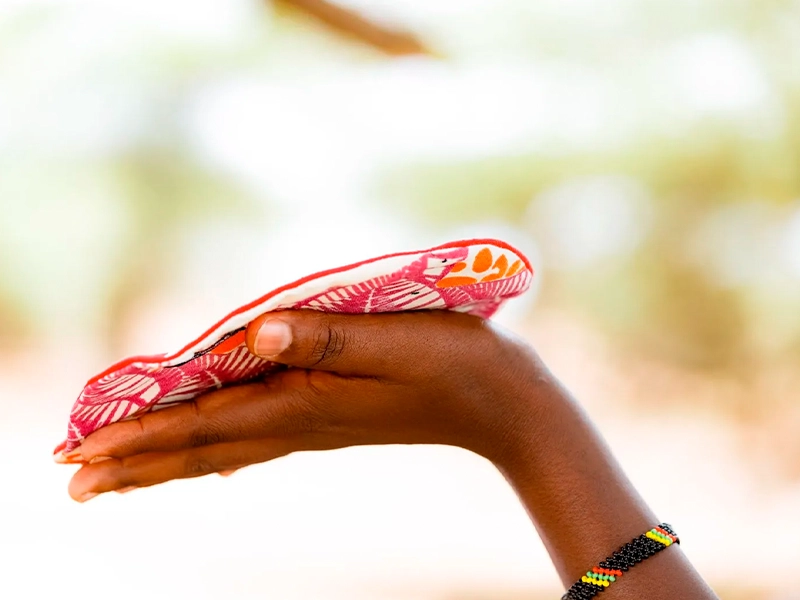
A critical part of education is discussing access to safe, affordable menstrual products. Period poverty, the inability to afford these basic necessities, is a significant global barrier. Educating communities on sustainable and long-term solutions, like reusable pads offered by PadMad Kenya, is key to ensuring that menstruation never prevents a girl from reaching her potential.
A Call for Global Priority
The need for effective Menstrual Health Education is recognized globally. The World Health Organization (WHO) and other international bodies highlight Menstrual Health and Hygiene (MHH) as a public health priority intrinsically linked to the Sustainable Development Goals (SDGs), especially those concerning health, education, and gender equality.
Conclusion
Menstrual Health Education is foundational to building a more equitable and healthier society. It’s an act of respect, a public health measure, and a potent tool for social change. By committing to open conversation and providing comprehensive education, we can ensure that every menstruator can manage their periods with dignity, confidence, and without disruption to their lives.