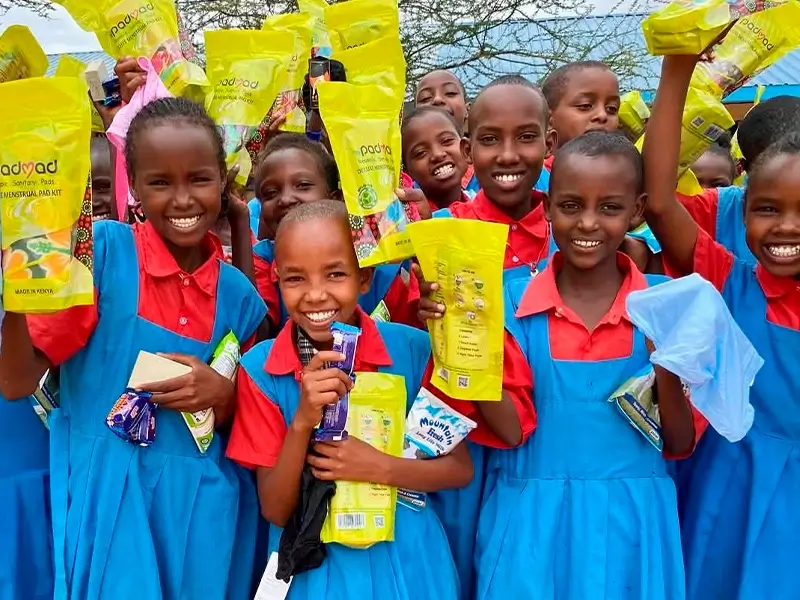

St. Peter’s Iten Secondary School is located in Keiyo North Sub-County in Elgeyo Marakwet County, Kenya, a region known for its rural communities. The secondary school serves over 500 students, many of whom come from nearby villages.
In many communities across the region, conversations about menstruation remain limited, and access to safe menstrual products continues to be a challenge for many families. According to research cited by UNICEF and UNESCO, an estimated one in ten girls in sub-Saharan Africa, including Kenya, misses school during her menstrual cycle.
This absenteeism is often linked to a combination of factors, including lack of menstrual products, inadequate sanitation facilities, limited menstrual health education, and persistent stigma surrounding menstruation. It was within this context that PadMad visited St. Peter’s Iten Secondary School to conduct a menstrual health outreach session.
When Silence Speaks Loudly
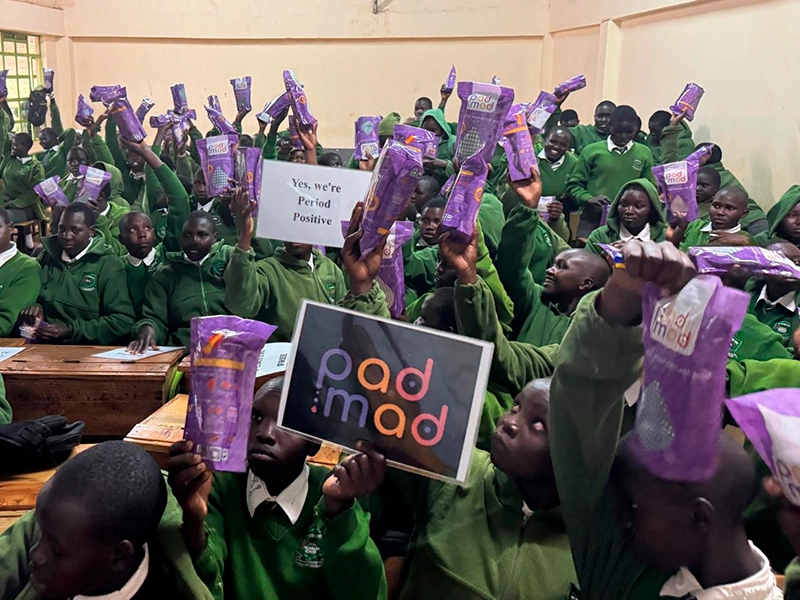
The PadMad team arrived at St. Peter’s Iten prepared to distribute eco-friendly menstrual kits and facilitate a menstrual health and hygiene training session. The session brought together 300 girls and 170 boys, along with teachers who supported the activity.
However, when the topic of menstruation was first introduced, the room fell noticeably quiet.
At first, the girls were quiet, their expressions showing curiosity and uncertainty. The boys sat toward the back of the room, unsure whether the conversation involved them at all. For the PadMad team, this moment revealed something deeper: many of the students had never experienced an open conversation about menstruation before.
Creating a Safe Space to Learn
Recognizing the hesitation in the room, the PadMad facilitator adjusted her approach. Instead of beginning with a formal presentation, she focused on creating a safe and welcoming environment where students felt comfortable speaking openly.
The facilitator reassured the students that every question mattered and that menstrual health was a topic for everyone in the room, not just girls.
Slowly, the atmosphere began to shift. Students started raising their hands. Some shared things they had heard about menstruation from friends or older peers. As the tension eased, occasional laughter filled the room as students began to relax and engage in the conversation.
Once the students felt comfortable, the PadMad team guided the school’s first open menstrual health discussion.
Clearing Myths, Building Understanding
The discussion quickly became an eye-opening moment for many students.
Several myths that had been circulating among peers were clarified with accurate information. Girls gained a clearer understanding of menstrual hygiene and how to care for their bodies during their periods.
At the same time, the boys began to realize that menstrual health is not only a girls’ issue but an important topic for everyone to understand.
One student shared during the discussion:
A teacher at the school also reflected on the impact of the session:
Including boys in the conversation helped create a more supportive environment for girls and encouraged a broader understanding of menstrual health within the school community.
More Than a Distribution
At the end of the outreach, the impact extended beyond the distribution of menstrual products.
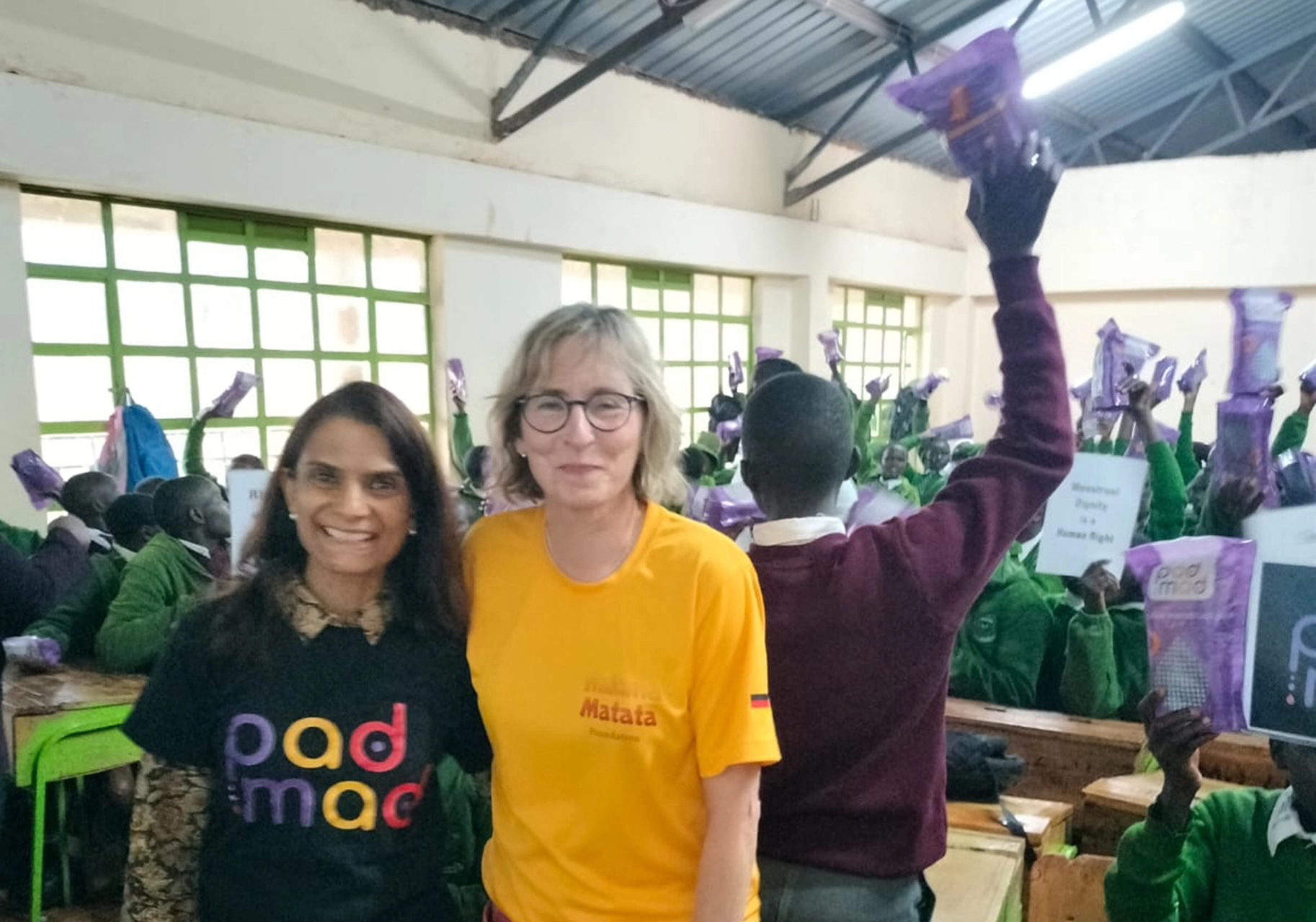
Five students volunteered to serve as menstrual health advocates in their school. With support from their teachers, these student leaders will continue peer-to-peer discussions, encouraging classmates to speak openly about menstruation and helping dispel myths that often circulate among young people.
In collaboration with Hakuna Matata, PadMad distributed 300 eco-friendly menstrual kits, each designed to last up to five years with proper care. These kits provide a sustainable solution that reduces both the financial burden on families and environmental waste from disposable products.
What began as a distribution became something more powerful: a moment of awareness, confidence, and community change.
A Bigger Mission
What happened at St. Peter’s Iten reflects a much bigger mission. Through initiatives like this, PadMad is working across communities to advance menstrual dignity, ensuring that every girl has access to the knowledge and resources she needs to manage her period with confidence.
So far, the organization has reached over 167,000 women and youth through menstrual health education and access to sustainable menstrual solutions.
By expanding access to information and long-lasting menstrual products, PadMad is helping address both period poverty and environmental sustainability while encouraging open conversations that challenge the stigma surrounding menstruation.
Sometimes meaningful change begins with something as simple — and as powerful — as a conversation.