
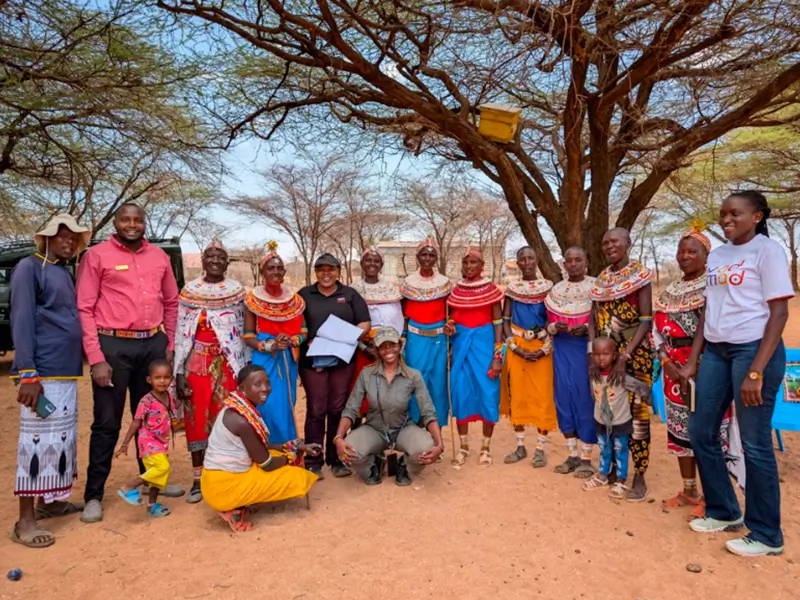
There’s something different about going back. The first time you arrive somewhere, your hands are full. A programme, a plan, kits to share, conversations to start.
The second time, you arrive with questions. And if you’re lucky, you get to see what happened after you left.
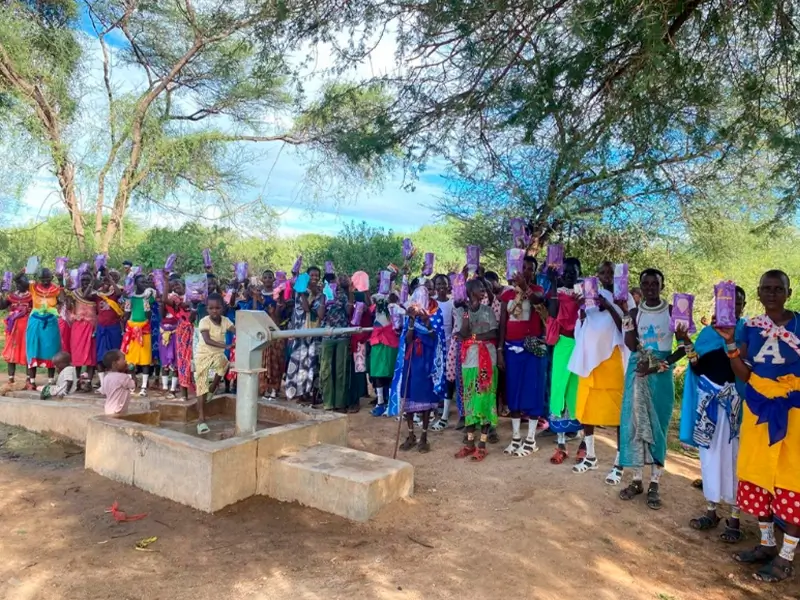
In September 2026, we went back to Kiltamany, in Samburu County, more than a year after we first delivered our menstrual health and dignity programme with the Land & Life Foundation. We weren’t there to count kits or repeat ourselves. We were there to listen.
We’re still thinking about some of what we heard.
Is it still your main pad?
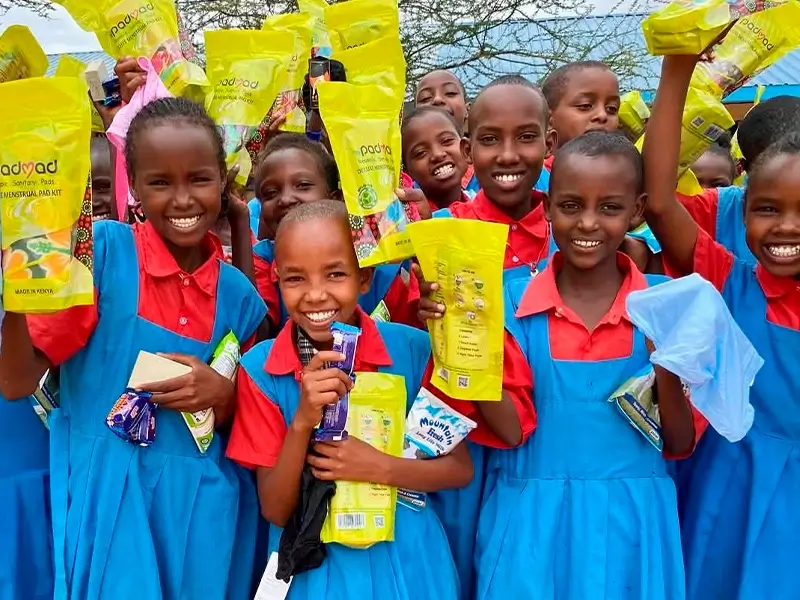
We asked the girls that, and 37 of the 41 who took part in the follow-up said yes. A year on, PadMad was still the product they reached for first.
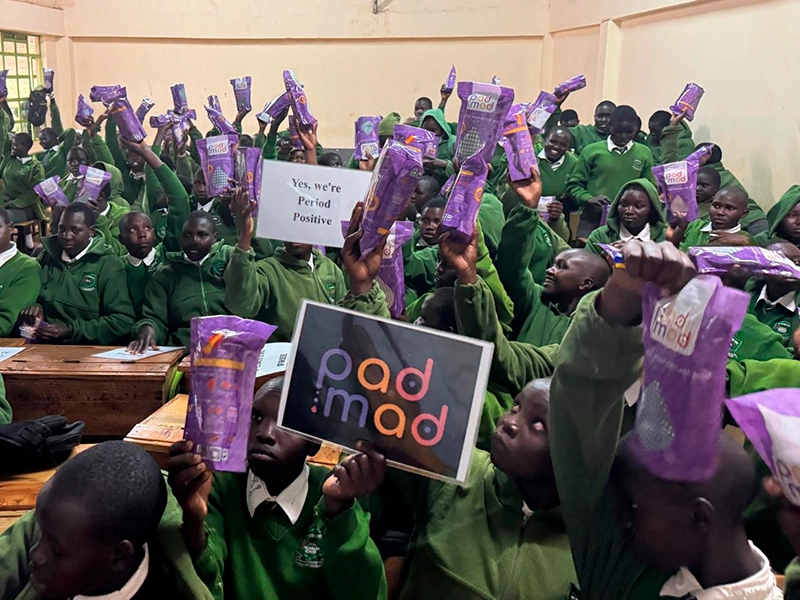
Then we asked about school. Before their kits, eight girls told us they missed at least one day of class every month because of their period. Now, two did. Thirty-nine said they were joining in more, at school and in sport, even while menstruating.
We want to be honest about what these numbers are. They’re what the girls told us about their own lives, not the result of a controlled evaluation, and we won’t dress them up as more than that.
But we also won’t ignore what they suggest: that when a reusable pad comes with real, practical conversation about periods, it can quietly become part of how a girl gets through her day.
The money that stayed at home
A period doesn’t only belong to the girl who has it. It shows up in the household budget too, month after month, wherever disposable products are bought.
So we asked about that, and 40 of the 41 girls said they had saved money since receiving their dignity kits. People in the wider community told us the same, describing less spending on menstrual products.
It’s an easy thing to overlook. But it points to what this work is really about: not just what happens during a period, but what happens around it. At home. At school. In whatever a family can now do with money that would have gone to another month’s supply.
The story about two cousins
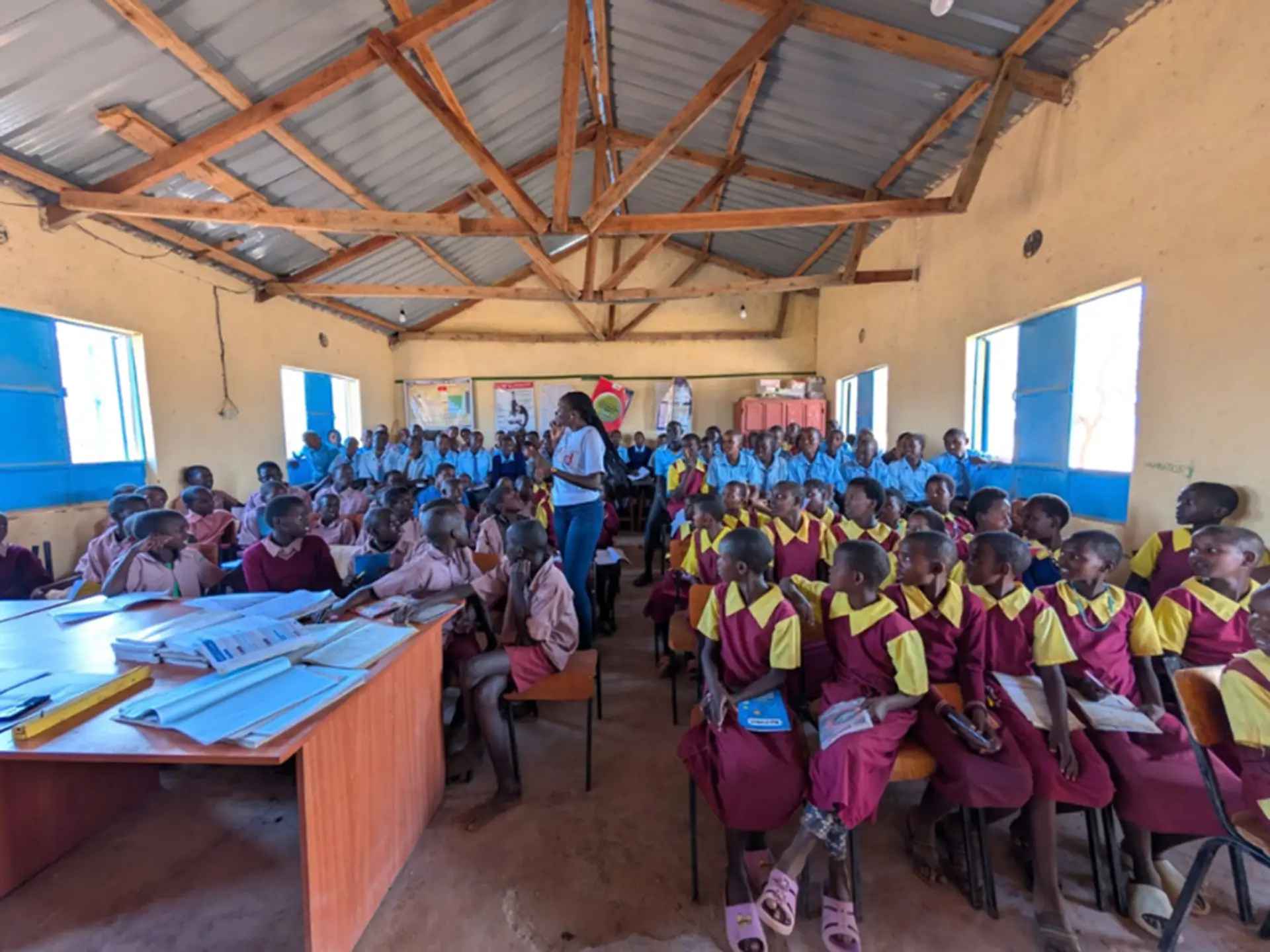
Of everything we heard in Kiltamany, this is the one that stuck.
At one community discussion, a mother told us about her daughter and her cousin. When the cousin got her first period, the daughter was ready. She handed her a PadMad reusable pad and showed her how to use it.
That was it. No programme, no facilitator, no us.
It’s a small story, but a whole lot is in it. A product can be shared, and so can knowledge. A girl who has learned to manage her period can make another girl’s first one feel a little less scary.
You can’t put that in a headline number. It’s exactly why we go back.
And then they told us what to fix
Coming back also means being ready to hear the hard parts, and Kiltamany didn’t hold back.
People asked for the education to continue. They asked for more kits, so that every menstruating person could have her own rather than sharing. They asked for underwear, for larger sizes, and for more choice in colours and designs.
We’re grateful for that. Listening only counts if you take in what people would change as well as what they liked. A programme doesn’t end the day the last kit is handed out.
The community also told us who could carry these conversations forward locally, naming proposed community ambassadors and Community Health Promoters. That gives us a different starting point. Instead of arriving with another programme, we can build alongside people who already know Kiltamany and are already trusted there.
What stayed
We went to Kiltamany with questions and came home with a few more.
What helps a reusable pad become part of everyday life? How does what one girl knows travel to another? What lets a girl stay in class, join the game, or just get on with her day while she’s on her period?
And how do we keep listening closely enough to do better next time?
Sometimes the most useful thing a follow-up can tell you isn’t only what changed. It’s what stayed.
In Kiltamany, what stayed was the pads still in use, the knowledge passed between girls and families, the savings at home, and a community honest enough to tell us what it wants next.
We’ll keep listening.