
When PadMad Kenya was founded, the mission was driven by a simple but urgent reality: too many girls were being held back by period poverty.
For founder Madhvi Dalal, learning about the challenges faced by girls and women during menstruation was a turning point. What began as conversations about access to menstrual products quickly revealed a much deeper issue. Girls were missing school, struggling with stigma, and in some cases resorting to harmful coping mechanisms simply to access basic menstrual supplies. The consequences extended beyond menstruation itself, affecting education, health, confidence, and future opportunities.
PadMad was created to address these challenges through sustainable menstrual products, menstrual health education, and community empowerment. The goal was clear: ensure that no girl has to sacrifice her dignity or potential because of her period.
Over the years, that mission has remained the same. What has evolved is our understanding of what it truly takes to achieve menstrual dignity.
The Missing Piece: Water and Infrastructure
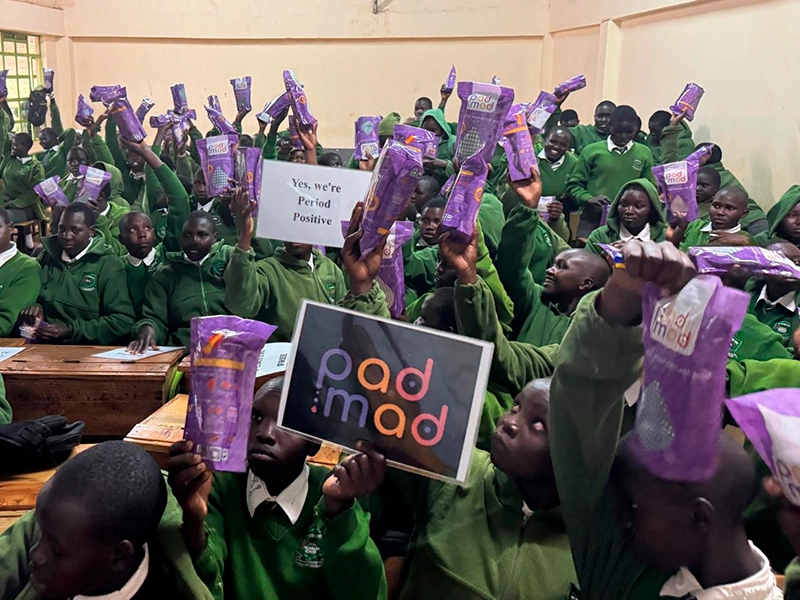
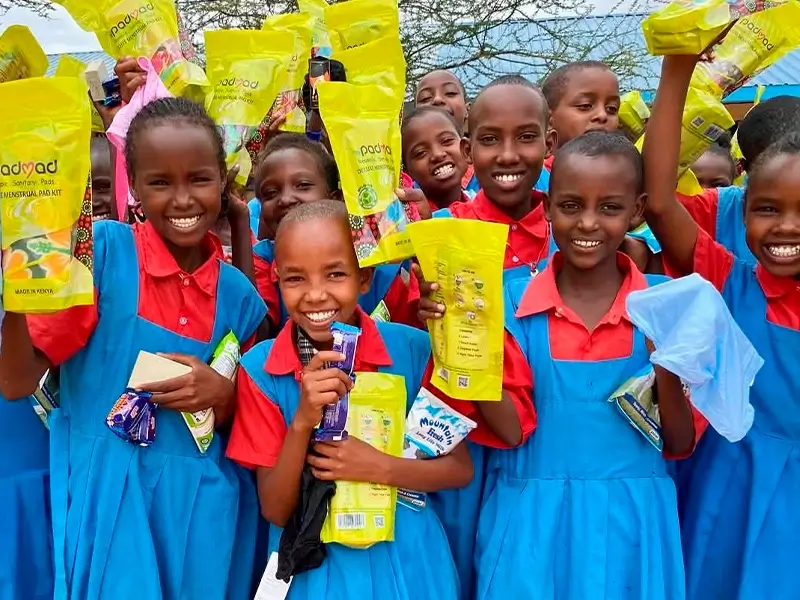
As our work expanded into schools and communities across Kenya, we witnessed the transformative impact of reusable menstrual products and menstrual health education. Girls gained confidence. Communities became more open to discussing menstruation. Teachers and parents became more engaged in supporting young people.
Yet another reality began to emerge. Providing a menstrual product was only one part of the solution.
A reusable menstrual pad can last for years and significantly reduce the financial burden of menstruation. However, for a reusable product to serve its purpose, it must be washed, dried, and stored hygienically. That requires something many people still lack access to: clean water and adequate sanitation facilities.
This realization led us to a broader understanding of menstrual health. Menstrual health does not exist in isolation. It is part of a larger ecosystem that includes education, infrastructure, community support, and access to Water, Sanitation and Hygiene (WASH).
In fact, this holistic approach is now reflected in PadMad’s own solutions model, which recognizes that ending period poverty requires more than products alone. It requires education, empowerment, sustainable products, and supportive sanitation facilities that allow girls to manage menstruation safely and confidently.
Why Water and Menstruation Are Fundamental
The connection between menstruation and water is often overlooked, yet it is fundamental.
Water is needed to wash reusable menstrual products. It is needed for handwashing before and after changing menstrual materials. It is needed to maintain personal hygiene and support healthy menstrual management practices. Access to private, clean sanitation facilities is equally important, providing girls and women with safe spaces to manage their periods with dignity.
Global organizations are increasingly recognizing this connection. According to UNICEF, menstrual health and hygiene cannot be achieved without access to adequate water, sanitation, and hygiene services. These systems work together to create environments where girls can attend school, participate confidently in daily activities, and manage menstruation safely.
A Shared Mission: Partnering with The Samburu Project
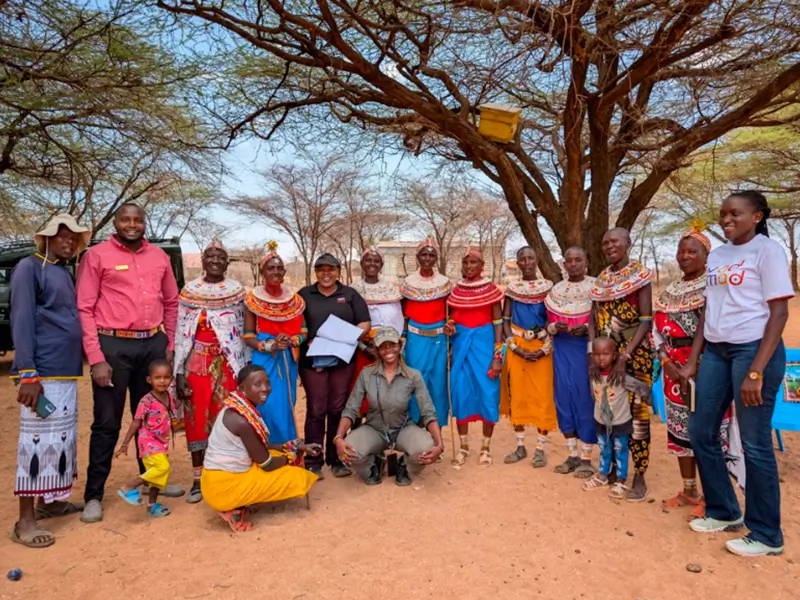
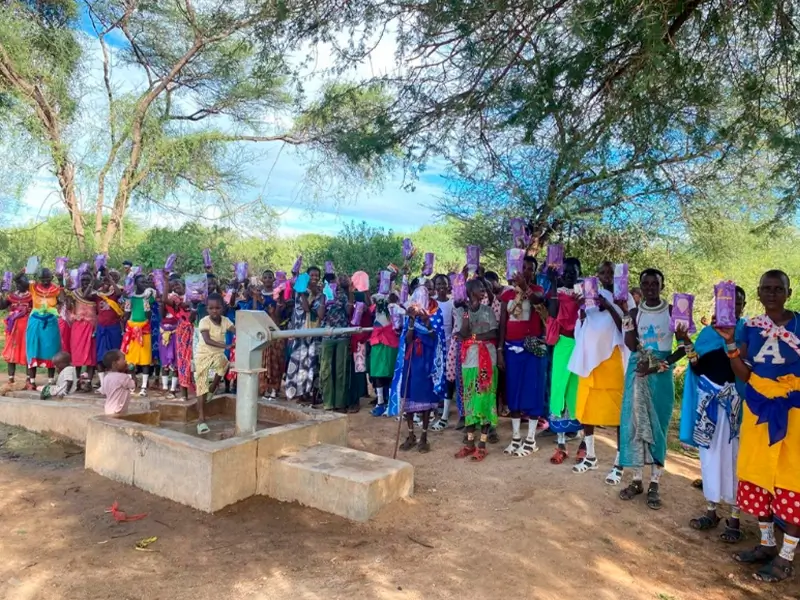
Our own experiences in the field have reinforced this understanding time and time again. One of the most meaningful examples has come through our partnership with The Samburu Project. While PadMad focuses on menstrual health education and sustainable menstrual kits, The Samburu Project works to increase access to clean water through the drilling of wells in rural communities.
At first glance, these may appear to be separate interventions. In reality, they are deeply connected.
When a girl receives a reusable menstrual kit, access to water becomes essential for maintaining it safely and hygienically. When a community gains reliable access to clean water, it gains more than a basic resource, it gains a critical tool for health, dignity, education, and menstrual hygiene management.
The Samburu Project highlighted this connection in its coverage of our joint efforts during Menstrual Hygiene Day activities in Samburu, demonstrating how partnerships can address multiple barriers facing girls at once.
While one organization provides access to water, another provides menstrual products and education. Together, the impact becomes far greater than either could achieve alone.
The Power of Collaboration
These experiences have strengthened our belief that menstrual health requires collaboration. No single organization can solve period poverty alone. Real and lasting change happens when these efforts come together.
- Some organizations focus on education.
- Others focus on healthcare.
- Others focus on water access.
- Others focus on menstrual products.
At PadMad, this understanding continues to shape how we think about impact. Every conversation about menstrual health is also a conversation about dignity, infrastructure, education, and opportunity. It is a conversation about ensuring that girls not only have access to menstrual products but also have the environment and support systems needed to use them effectively.
For those who would like to learn more about the realities of period poverty and the work that inspired PadMad’s mission, we invite you to watch our video on period poverty and sustainable solutions.
As we look toward the future, one thing is clear: menstrual dignity begins with access to menstrual products, but it is sustained by the systems that surround them.
- Water.
- Sanitation.
- Education.
- Community support.
Together, they create the foundation for a world where no girl is limited by her period.